An older roof does not automatically need replacing simply because it has been in place for many years. Roofs naturally experience gradual wear, but where the main structure and covering remain in sound condition, carefully planned repairs can often keep the roof performing effectively.
For homeowners in Linton, Cambridgeshire, the key is to assess the actual condition of the roof rather than making a decision based on age alone. Identifying the cause of deterioration, understanding how extensive it is and checking the surrounding roofing materials can determine whether a targeted repair is a suitable long-term approach.
How Careful Roof Repairs Can Support an Older Roof
The purpose of a professional roof repair is not simply to cover a visible defect. It should identify what has gone wrong, correct the underlying problem and restore the affected section so that it works properly with the rest of the roof.
This approach is particularly important with older roofs. Tiles, slates, flashing, mortar and other components may have experienced years of exposure while still remaining perfectly serviceable. Replacing or repairing only the components that have genuinely failed can help preserve the sound parts of the existing roof.
Roof Age Does Not Tell the Whole Story
Age can provide useful context, but it should never be considered in isolation. Roofs of a similar age can be in very different condition depending on their materials, construction, maintenance history and exposure.
An older roof may remain suitable for repair when:
- Damage is limited to specific areas
- Most tiles or slates remain secure
- Previous repairs continue to perform correctly
- Flashing and roof junctions are generally sound
- There is no widespread pattern of water ingress
- The cause of the current defect can be clearly identified
A detailed inspection provides much more useful information than simply estimating the roof’s age.
Why Finding the Cause of the Problem Matters
A visible roofing problem is not always the complete problem.
Water entering around a damaged tile, flashing detail or roof junction can travel before appearing inside the property. Likewise, a slipped tile may be the result of deterioration in its fixing rather than a problem with the tile itself.
Repairing only what can immediately be seen may therefore leave the original weakness unresolved.
Careful diagnosis allows the repair to address the source of the defect. This improves the likelihood of restoring dependable roof performance and reduces the chance of the same issue returning.
Localised Damage Can Often Be Repaired Effectively
Older roofs frequently develop individual areas of deterioration while the majority of the covering remains serviceable.
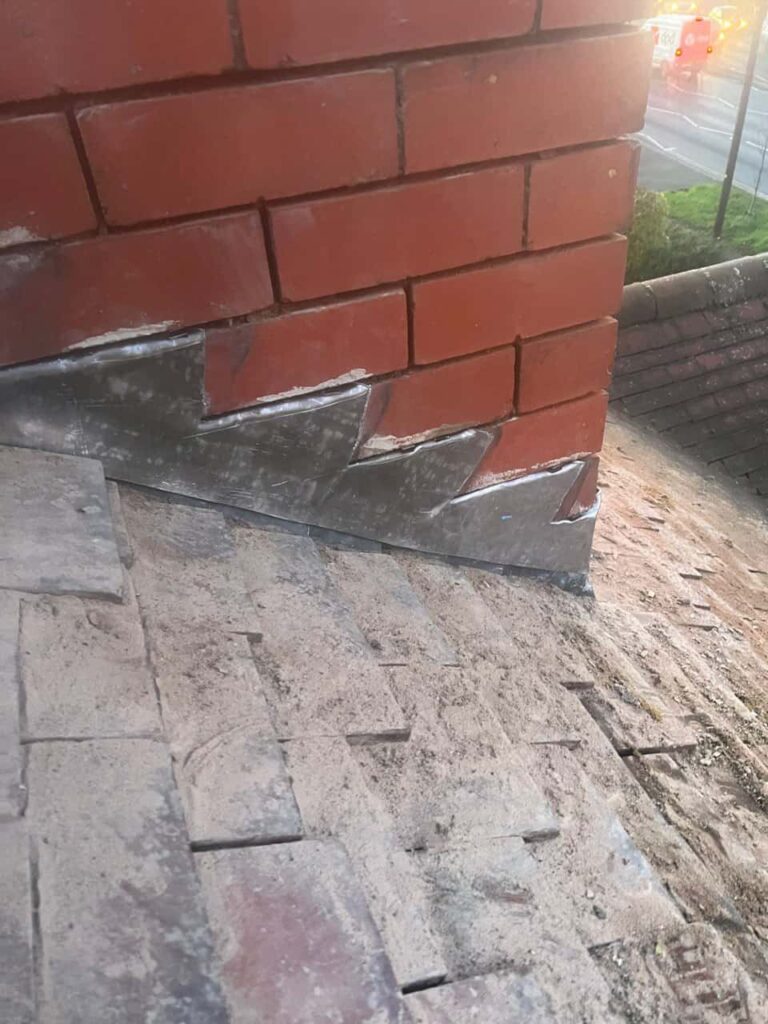
Examples can include cracked or displaced tiles, isolated defects in leadwork, deteriorated mortar or weaknesses around particular roof details. When the problem is genuinely confined to one area, targeted repair work can be an appropriate solution.
The condition of the surrounding materials is important. If nearby roofing components remain secure and functional, there may be little reason to disturb them unnecessarily.
Repairs Should Work With the Existing Roof
A good repair needs to integrate correctly with the existing roofing system.
Roof coverings are designed to shed water in a controlled way. Tiles, slates, flashing and junctions all work together to prevent moisture from reaching the structure beneath. Repairing one component without considering how it connects to neighbouring materials can leave weaknesses behind.
On an older roof, particular care should therefore be taken to ensure repaired sections remain compatible with the existing construction and continue directing water correctly.
Pay Attention to Vulnerable Roof Details
Not every leak originates from the main roof covering. Some of the most important areas to inspect are the points where roofing materials meet or change direction.
These can include:
- Valleys
- Ridge areas
- Verges
- Lead flashing
- Roof junctions
- Penetrations through the roof covering
These details can deteriorate independently of the surrounding tiles or slates. As a result, a roof covering may appear generally sound while a relatively small defect elsewhere allows water to enter.
Inspecting these areas carefully can help identify repairable weaknesses without assuming that the entire roof is failing.
Previous Repairs Can Reveal the Roof’s Condition
A roof’s repair history can provide useful information about how it is performing.
One or two isolated repairs over a long period do not necessarily suggest widespread deterioration. If those repairs remain sound and the remainder of the roof is performing correctly, further targeted maintenance may continue to be suitable.
Repeated defects across numerous areas deserve closer investigation.
When different parts of the roof begin failing within relatively short periods, it may indicate that several components have reached a similar stage of deterioration. At that point, looking at the whole roof becomes more useful than treating each new problem independently.
Prompt Repairs Can Help Limit Further Deterioration
Small roofing defects can become more significant when left unresolved.
A damaged or displaced roofing component can create an opening for moisture. Once water reaches areas beneath the roof covering, surrounding materials can become exposed to conditions they were not designed to withstand continuously.
Addressing a localised defect promptly can therefore help protect sections of an older roof that remain in good condition.
The objective is not simply to stop an immediate leak. It is also to prevent a manageable problem from affecting a larger area of the roofing system.
When Should the Whole Roof Be Assessed?
A wider assessment becomes particularly important when roofing problems begin appearing repeatedly or across several locations.
Warning signs can include:
- Leaks developing in different parts of the property
- Increasing numbers of loose or damaged tiles
- Deterioration affecting several roof details
- Previously repaired areas developing further problems
- Visible wear across substantial sections of the roof
- New defects appearing increasingly often
These signs do not automatically mean extensive work is required. They indicate that the overall condition of the roof should be understood before another isolated repair is undertaken.
When Are Continued Repairs Less Suitable?
Repairs are most valuable when they restore a fundamentally serviceable roof. They become less effective when deterioration is widespread and individual defects are symptoms of a broader decline.
If significant sections of the roof covering are unreliable, multiple components are deteriorating or repairs repeatedly fail to provide lasting results, continually addressing isolated areas may no longer be the most appropriate approach.
A professional assessment helps distinguish between a roof that needs sensible maintenance and one where the overall condition requires a different solution.
Why Professional Assessment Is Important
Determining whether an older roof can continue to perform reliably requires more than identifying the most obvious defect.
A thorough inspection considers the damaged area, neighbouring roofing materials, vulnerable junctions and the general condition of the covering. It should also consider previous repairs and any patterns of recurring deterioration.
At Linton Roofing Repairs, we assess roofing problems in Linton, Cambridgeshire with the aim of understanding what the roof actually requires. Where a targeted repair is suitable, careful workmanship can help preserve serviceable roofing materials and restore effective protection without unnecessary intervention.
Conclusion
Careful repairs can keep many older roofs performing as intended. The deciding factor is not simply the roof’s age, but whether its main components remain sound and whether individual defects can be properly identified and corrected.
Localised damage, defective flashing, displaced tiles and other isolated problems can often be repaired successfully when the surrounding roof remains in good condition. However, recurring or widespread deterioration should prompt a more comprehensive assessment to establish whether continued individual repairs remain appropriate.
If you have an older roof in Linton, Cambridgeshire and have noticed a leak, damaged roofing materials or another developing issue, contact Linton Roofing Repairs. We can assess the condition of the roof, identify the source of the problem and recommend a suitable repair based on what the roof genuinely needs.
Call us on: 01223 655 294
Click here to find out more about Linton Roofing Repairs
Click here to complete our contact form and see how we can help with your roofing needs.