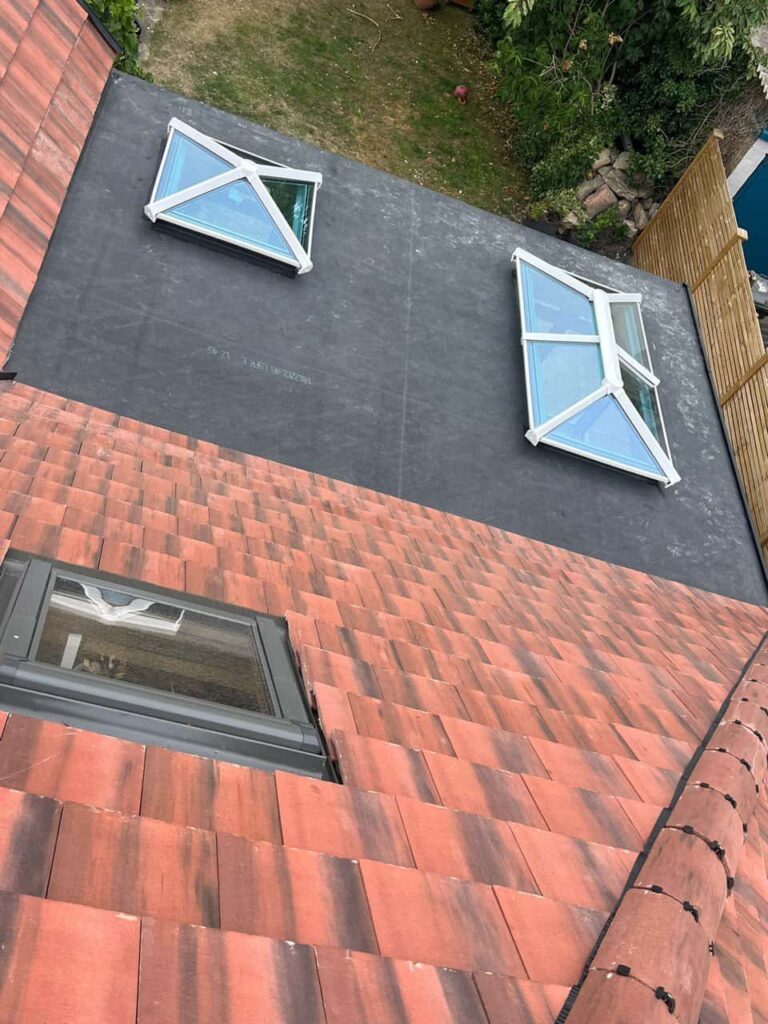
A well-maintained roof plays an essential role in protecting a property from rain, wind and changing weather conditions. However, roof tiles can occasionally slip out of position, leaving vulnerable areas exposed to the elements. Even a small movement can affect the roof’s ability to shed water properly, potentially leading to leaks and further damage if left unaddressed.
For homeowners in Linton, Cambridgeshire, recognising the early signs of slipped roof tiles can help prevent minor roofing issues from developing into more extensive problems. Understanding what causes tiles to move, what warning signs to look for and when to arrange professional attention can make a significant difference to the condition of your roof.
What Causes Roof Tiles to Slip?
Roof tiles are designed to sit securely in place, forming a protective covering that directs rainwater towards the gutters. Over time, several factors can affect their position and stability.
Ageing Fixings and Roofing Materials
Roof tiles are held in place using appropriate fixings, which can deteriorate with age. Nails may corrode, battens can weaken, and other components may become less reliable over time. When the fixings no longer provide adequate support, individual tiles can loosen and slide down the roof slope.
Older roofs may be particularly susceptible to this problem, making regular inspections valuable for identifying deterioration before it leads to more serious damage.
Strong Winds and Severe Weather
Wind can place considerable pressure on roof coverings, particularly around exposed edges and ridges. Strong gusts may lift or dislodge tiles, especially where existing fixings are already weakened. Heavy rain and repeated changes in weather can also reveal weaknesses in the roof’s overall condition.
After periods of unsettled weather in Linton, it is worth checking for visible signs of roof damage from a safe position on the ground.
Damaged Tiles and Underlying Roof Issues
Cracked, broken or worn tiles may no longer sit securely in their intended position. Problems with the supporting battens or other roof components can also contribute to movement. In these cases, simply repositioning a tile may not provide a lasting solution if the underlying cause remains unresolved.
A professional roof inspection can help establish whether the issue affects one tile or indicates a wider problem with the roof covering.
Warning Signs of Slipped Roof Tiles
Not every roofing problem is immediately obvious from inside a property. However, several warning signs may indicate that tiles have moved or become damaged.
Visible Gaps or Uneven Roof Lines
From the ground, look for tiles that appear lower than neighbouring tiles, uneven rows, visible gaps or sections that look out of alignment. You may also notice tiles that appear to be missing altogether.
Avoid climbing onto the roof to investigate, as loose tiles and sloping surfaces can create a serious fall risk.
Water Stains on Ceilings and Walls
Brown patches, damp marks or peeling paint on ceilings and upper walls may indicate water entering through a damaged roof covering. Although slipped tiles are one possible cause, other roofing defects can produce similar symptoms.
If dampness appears after rainfall, arranging a roofing assessment can help identify the source before moisture affects plasterwork, insulation or timber.
Debris Around the Property
Fragments of broken tiles or complete tiles found in the garden, driveway or near the base of external walls may indicate roof damage. These signs should not be ignored, particularly if they appear after strong winds.
Increased Dampness in the Loft
If your loft is accessible, signs such as damp timber, wet insulation or visible daylight through the roof covering may suggest that the roof needs attention. Only inspect from a safe, stable position and avoid touching electrical fittings or entering areas where the structure may be unsafe.
Why Timely Roof Tile Repairs Matter
A slipped tile can leave gaps in the roof covering, allowing rainwater to reach areas that should remain protected. Prompt repairs help restore the roof’s protective function and reduce the likelihood of further deterioration.
Preventing Water Ingress
When water passes beneath displaced tiles, it can affect roofing felt, battens and the timber structure. Continued moisture exposure may cause materials to weaken and can create conditions for mould growth. Repairing the affected area early helps limit the opportunity for water to spread into the property.
Protecting the Roof Structure
A loose tile may be a sign that nearby tiles or their fixings are also deteriorating. Addressing the cause can help prevent additional tiles from moving and reduce the risk of repeated damage.
Maintaining the Roof’s Overall Condition
Timely repairs can help preserve the performance of the existing roof covering. A suitable repair may involve repositioning a tile, replacing a broken one, renewing defective fixings or addressing damaged supporting materials. The correct approach depends on the roof’s construction and the cause of the problem.
Professional Slipped Roof Tile Repairs in Linton, Cambridgeshire
Identifying the cause of slipped tiles is just as important as correcting their position. At Linton Roofing Repairs, we understand the importance of maintaining a secure, weather-resistant roof and addressing problems before they develop further.
A professional assessment can establish which tiles need attention, whether the surrounding roof covering has been affected and what repairs are appropriate for the condition of your roof. This helps ensure the work addresses the underlying issue rather than simply treating the visible symptom.
If you have noticed displaced tiles, damaged roof coverings or signs of a possible leak, arranging an inspection can help you understand the next steps. Do not attempt to move or secure roof tiles yourself, as working at height can be dangerous.
Conclusion
Slipped roof tiles may appear to be a minor issue, but they can leave a property vulnerable to water ingress and further roofing damage. Ageing fixings, severe weather and deteriorating roof components are all possible causes, while uneven tiles, ceiling stains and damp loft materials can provide useful warning signs.
For homeowners in Linton, Cambridgeshire, responding promptly can help protect the roof’s condition and prevent avoidable complications. If you suspect that your roof tiles have slipped or noticed signs of water ingress, contact Linton Roofing Repairs to arrange a professional assessment and discuss the most suitable repair for your property.
Call us on: 01223 655 294
Click here to find out more about Linton Roofing Repairs
Click here to complete our contact form and see how we can help with your roofing needs.